
 Data Science & AI
MSc Data Science
University of Melbourne
- Location
- Melbourne, Australia
- Indicative tuition
- A$52,400 / year
placement for SGD 50, counselling to visa
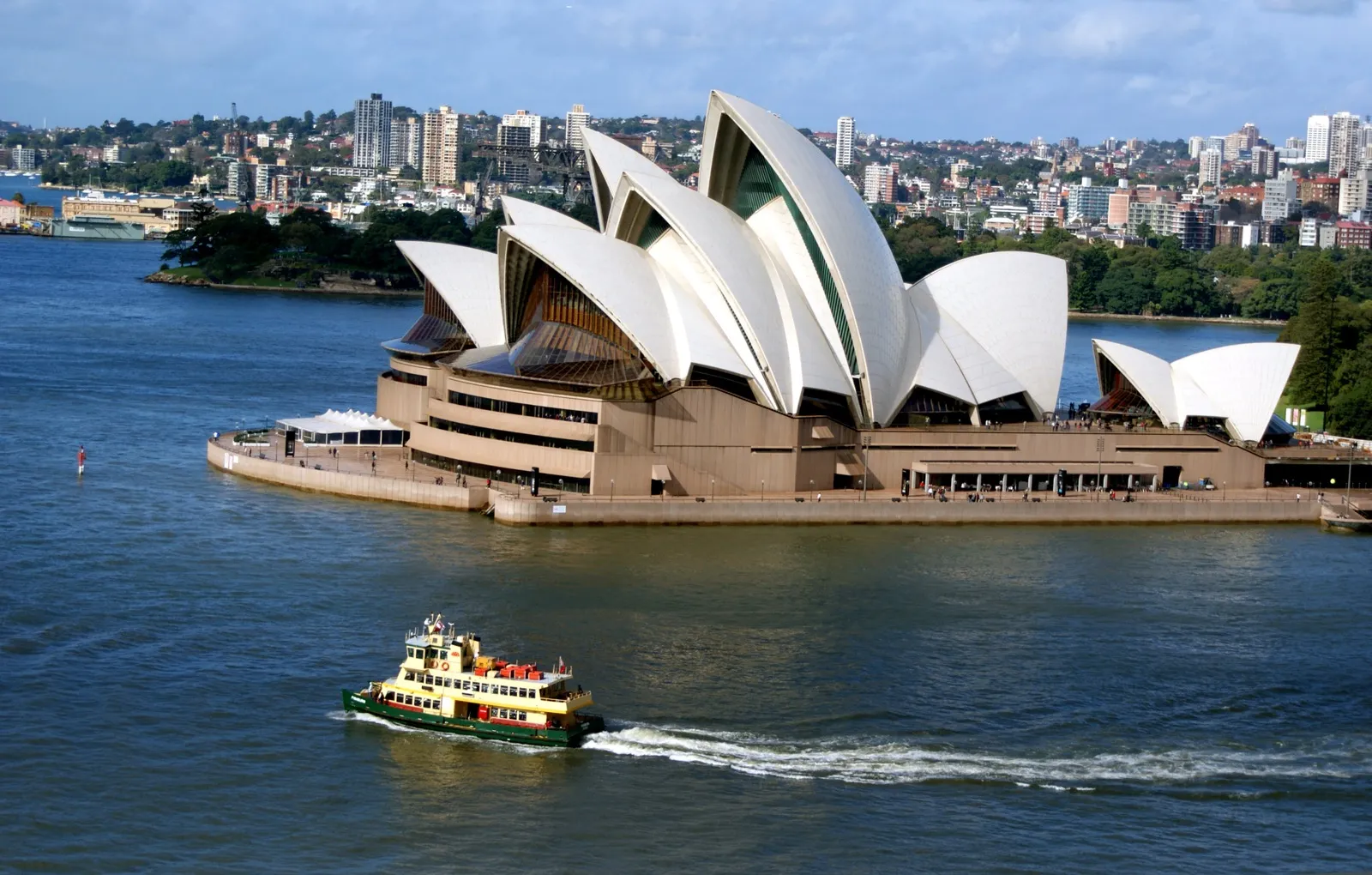
Closer than Europe, home to one of the world's great Sri Lankan diasporas, and offering two to four years of post-study work — Australia is the corridor where familiarity and opportunity meet.
Rupee figures converted at August 2026 mid-market rates (A$1 ≈ LKR 234) and rounded. Confirm live rates and official fees before budgeting.
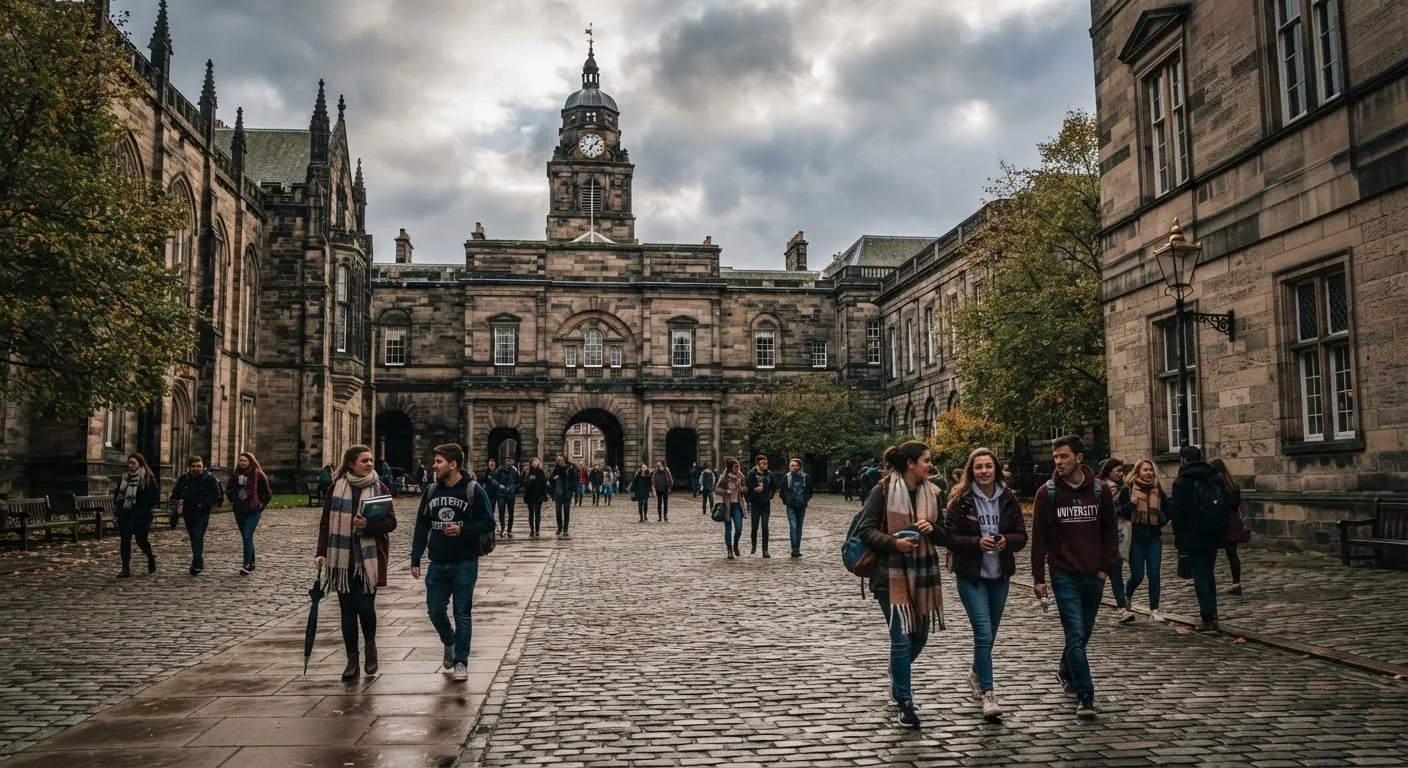
Melbourne holds one of the largest Sri Lankan communities outside the island, and that changes the studying-abroad experience in practical ways: arrival support, food, festivals, part-time job networks and family friends a suburb away. Add a manageable time difference for calls home and direct flights from Colombo, and Australia is the destination where Sri Lankan students tend to settle in fastest.
The academic fit is just as clean. Australian universities admit on Sri Lankan A-Levels — local or Cambridge/Edexcel — with published equivalency tables, and the February main intake suits the Sri Lankan calendar unusually well: A-Level results land around December–January, and strong students can move straight into a February start rather than waiting most of a year for a northern-hemisphere September.
At August 2026 rates, tuition of A$25,000–A$55,000 converts to LKR 5.9–13 million a year — the Group of Eight universities sit at the top of that band, excellent technology universities and regional campuses much lower. Living costs are the number families underestimate: Australia's visa rules require you to show around A$30,000 a year for living expenses, or roughly LKR 7 million, and Sydney rents make that figure honest. Overseas Student Health Cover (OSHC) for the full visa length is also mandatory and paid upfront.
Set against that, students can work up to 48 hours a fortnight in term time at some of the world's highest minimum wages, which realistically covers a meaningful slice of living costs — though never tuition. The subclass 485 post-study visa then gives two to four years of open work rights depending on qualification. Budget on the full sticker price, treat earnings as relief rather than a plan, and let a counsellor match universities to what your family can actually sustain — that conversation is free.
Australia assesses every applicant against the Genuine Student (GS) requirement, and this is where Sri Lankan applications are won or lost. The GS questions ask why this course, why Australia, and how it fits your circumstances at home — and visa officers read answers against your academic history, finances and Sri Lanka's economic context. Generic answers copied from templates are the single most common reason strong students get refused.
The winning approach is specific and documented: name the course's units and how they connect to your A-Level subjects, show seasoned funds that match the declared budget, and explain your post-study intentions credibly — including, honestly, the 485 work period. Sri Lankan applicants should prepare clean paperwork for sponsor income and bank history. This is precisely the statement-and-documents work Tutopiya counsellors do with students line by line, at no charge.
Data Science & AIUniversity of Melbourne
 Social Sciences
 Engineering
Monash University
EngineeringUniversity of Sydney
 Computer Science & IT
Monash University
 Media, Film & Arts
Monash University
 Australia
Australian Government, Department of Foreign Affairs and Trade
Fully funded: tuition, return air travel, establishment allowance, living stipend and health cover
AustraliaAustralian Government Department of Education
Tuition fee offset, and at many universities a living stipend and health cover as well
AustraliaUniversity of Melbourne
Full fee offset, a living allowance of around A$39,500 a year, a relocation grant and overseas student health cover
Browsing more broadly? See every award in scholarships to study in australia.
Yes — both local and Cambridge/Edexcel A-Levels are accepted for direct entry, with universities publishing Sri Lankan equivalency tables against ATAR bands. Competitive programmes effectively want strong passes across three subjects; where results fall short, foundation and diploma-to-degree pathways at the same universities provide a well-trodden bridge that typically adds eight months to a year.
At August 2026 rates (A$1 ≈ LKR 234): tuition of A$25,000–A$55,000 is roughly LKR 5.9–13 million a year, and the required living budget of about A$30,000 adds around LKR 7 million. A three-year bachelor's therefore runs approximately LKR 39–60 million all-in. Term-time work at Australian wages — up to 48 hours a fortnight — genuinely offsets living costs, but plan the budget as if it won't.
A set of visa questions assessing whether you're a genuine entrant — why this course, why Australia, how it fits your plans and finances. Officers weigh answers against your documents and home-country circumstances. For Sri Lankan applicants the practical rules are: be specific about the course, show seasoned and traceable funds, and give a credible account of your intentions including post-study work. Template answers are the most common cause of refusals.
Apply from August–October the year before, aiming to hold an offer by November. A-Level students can apply on predicted or pending results and firm up when results arrive in December–January — universities are used to this sequence. That leaves December and January for the visa: the Genuine Student statement, financial evidence, OSHC purchase and medicals. Starting after results are out makes February tight but still possible; July is the fallback intake.
A flat SGD 50, billed as two monthly instalments of SGD 25. That covers everything: counselling, university matching, application support and guidance right up to your offer. There are no hidden extras, no agent fees and no commission on your tuition, because our counselling is funded by our university partners, the SGD 50 only covers administration. Separately, you pay the university’s own tuition or semester fees directly to the university after you accept your offer.
Everything from start to finish: understanding your options, shortlisting the right programme, preparing your application and personal statement, submitting to the university, and guiding you through the offer, enrolment and visa paperwork, all with a dedicated counsellor.
Free · apply yourself
ApplyBoard, our application partner, lists schools across Australia that are not in our own catalogue — mostly pathway and teaching institutions. You can browse and apply to those yourself at no cost.
Browse ApplyBoard programmes ↗Answer a few questions and we will show you where you stand, then a Tutopiya counsellor takes it from there.
Step 1
⏱ About 90 seconds
SGD 50 in total, charged as 2 monthly instalments of SGD 25. University tuition is separate and paid directly to the university.
Find your university
About 90 seconds · a flat SGD 50